Progress in the development of dual education in upper secondary education and higher education in Mexico

AFOS and Querétaro Energy Cluster sign Memorandum of Agreement

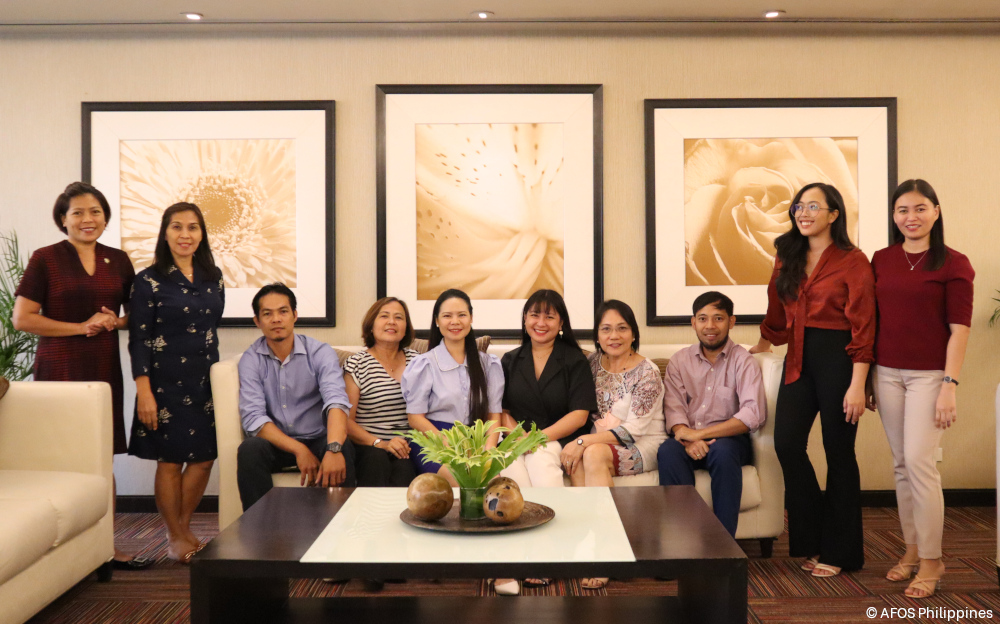
On April 17, 2023, we were able to celebrate the signing of the Memorandum of Agreement (MOA) between the AFOS Foundation and the Querétaro Energy Cluster in Hanover. Patrice Rimond, representative of the energy cluster, signed the declaration with the support and honorary witnesses Alejandro Preinfalk and Marco Cosío of Siemens.
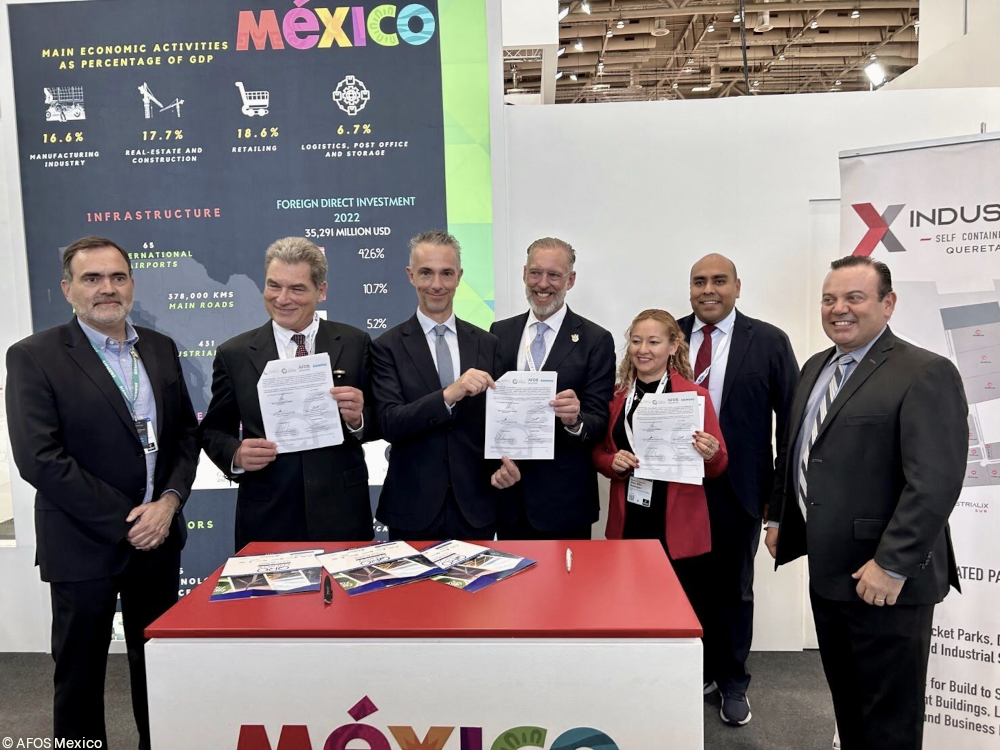
MOA AFOS Mexico April 2023
Expansion of dual training in Mexico

The development of innovative, high-quality and relevant talent is a fundamental element for competitiveness in the expansion of dual training in Mexico. Fostering talents who respond to Querétaro’s current socio-economic needs and have the ability to meet the demands of both national and global markets is one of the strategic priorities of our AEDual project.

Exchange on the continuous Improvement of Dual Education Opportunities in Mexico

In addition, the meeting of the Academic and Quality Committee of the State Council for Dual Higher Education was held in the spring. In addition to the presentation of the progress of Aguascalientes, a workshop with dual students and graduates of the dual university model took place at the end of the session, where we collected ideas for improvements and strengths of the project.
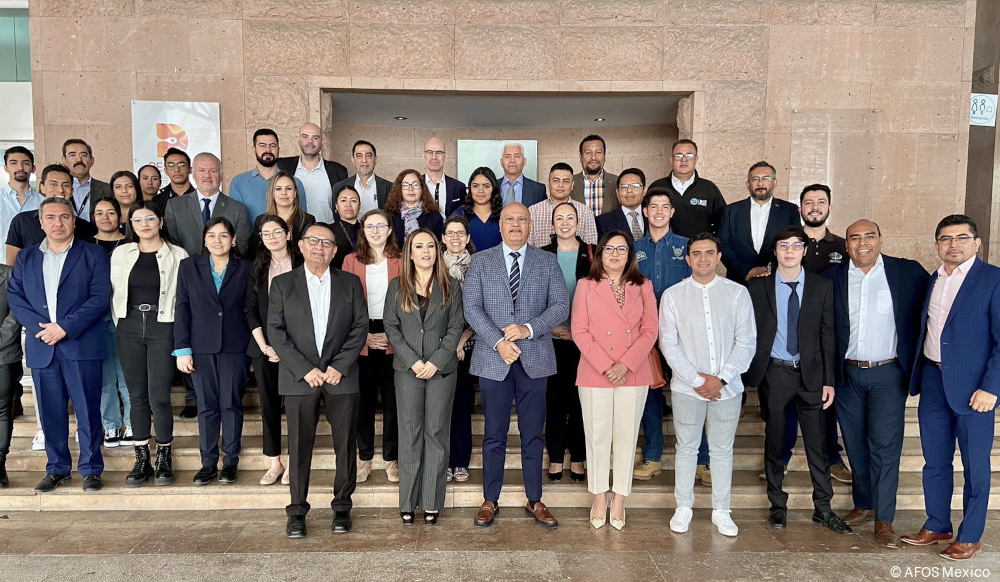
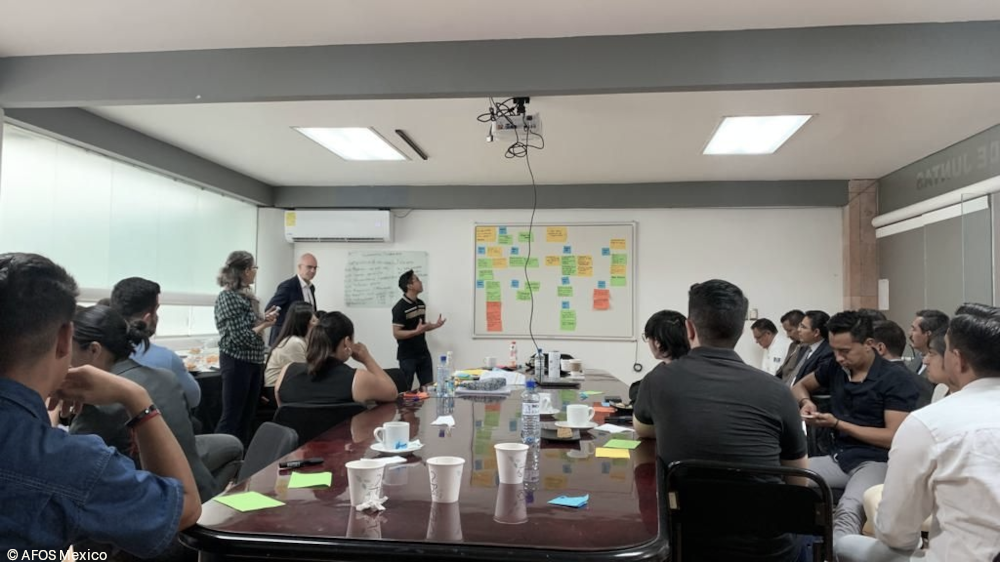
Academic Quality Committee Meeting
Meeting of the Academic and Quality Committee
Workshop Quality
Working Group “Academy – Quality”

With the participation of Noelia Caro, Director of Industriales Jalisco, Irma Leal, Rector of CUCLUTAJO – Centro Universitario de Tlajomulco, German Bonilla Bermudez, AEdual Project Manager, Alfred Vormfelde, Advisor to the AFOS Foundation, as well as representatives of the UNID Campus Guadalajara and sequa gGmbH, the working group “Academy – Quality” was able to exchange views on progress in the dual professions of CUTLAJO and UNID. We are convinced that with Industriales Jalisco, a solid basis for the economic and social development of Jalisco can be created, which in turn creates more and better opportunities for the local people.

Meeting of the Plenary Session of the Economic Committee on Dual Training in Queretano

On 21 March, the plenary session of the Economic Committee on Dual Training met in Queretaro, chaired by Jorge Luis Camacho Ortega, President of COPARMEX Queretaro, and Carlos Antonio Contreras Lopez, State Commissioner for Higher Education, on behalf of SEDEQ.
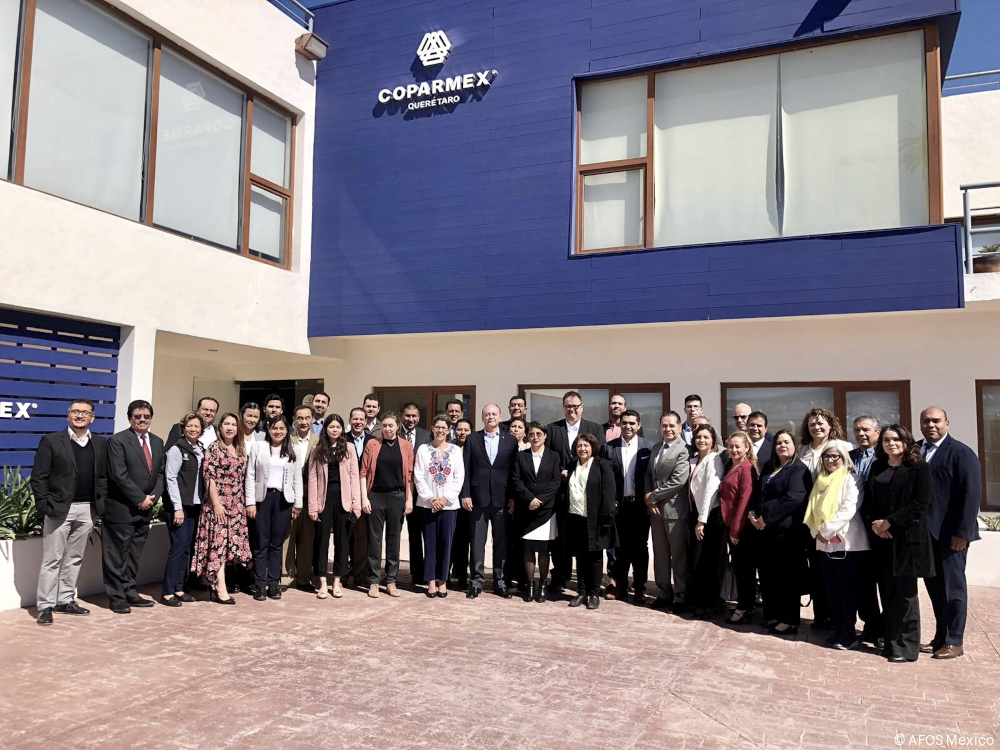
AFOS Mexico

The event was attended by the presidents of the main economic clusters and associations of the state, the rectors and operational liaison officers of the ten universities that make up the network of dual universities of Queretaro. The State Coordinator for Higher Education, Orfelinda Torres, representatives of the subsystems of higher education and the Consul of the Federal Republic of Germany in Queretaro, Thomas Wagner, as well as other personalities and special guests also participated.

Beate Heimberger accompanied our Mexican team together with a German delegation. It is responsible for evaluating the results and effects of this bilateral Mexican-German cooperation project. This triple helix project aims to establish and strengthen dual training in Queretaro.

About AEDual and the Expansion of Dual Training in Mexico

With AEDual, we are supporting the Mexican government in introducing a dual vocational education and training system of outstanding quality . This increases the competitiveness of companies and increases the employability of young people in particular. In this way, we make a decisive contribution to the sustainable creation of safe working conditions in Mexico.

The Business Alliance for the Expansion of Dual Training in Mexico (ÆDUAL ) is made up of the AFOS Foundation for Entrepreneurial Development Cooperation, COPARMEX Aguascalientes, COPARMEX Zona Metropolitana de León, COPARMEX Querétaro and the Council of Chambers of Industry of Jalisco (CCIJ) on behalf of CONCAMIN. ÆDUAL collaborates with the Triple Helix (Industry-Academy-State Governments) of the states of Aguascalientes, Guanajuato, Jalisco and Querétaro.
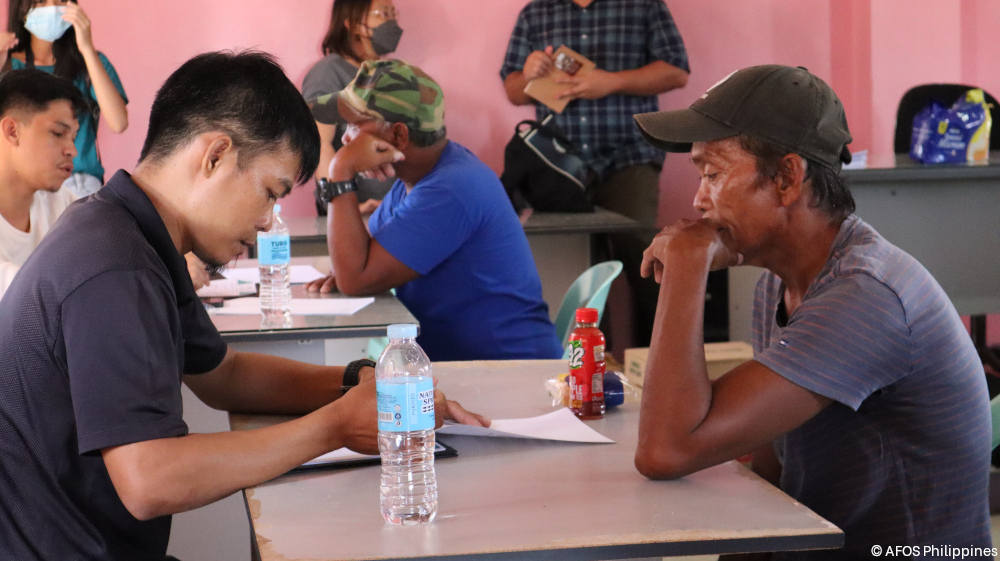
The FISH Visayas Project is gaining Ground across the Central Philippines

Dual Education and Training in the Fisheries Sector

Recognizing the need to upskill the country’s workforce, efforts in highlighting industry participation in dual education and training has been a continuous effort bannered by AFOS Foundation and its local partner, the Cebu Chamber of Commerce and Industry, Inc. (CCCI). The inception of the Assessment, Certification, and Accreditation Services (ACAS) in CCCI in 2017 provided a platform to intensify the industry’s participation in workforce development. Thus, leveling the quality of demand and supply of the labor force.

Dual Education and Training in the Fisheries Sector Philippines
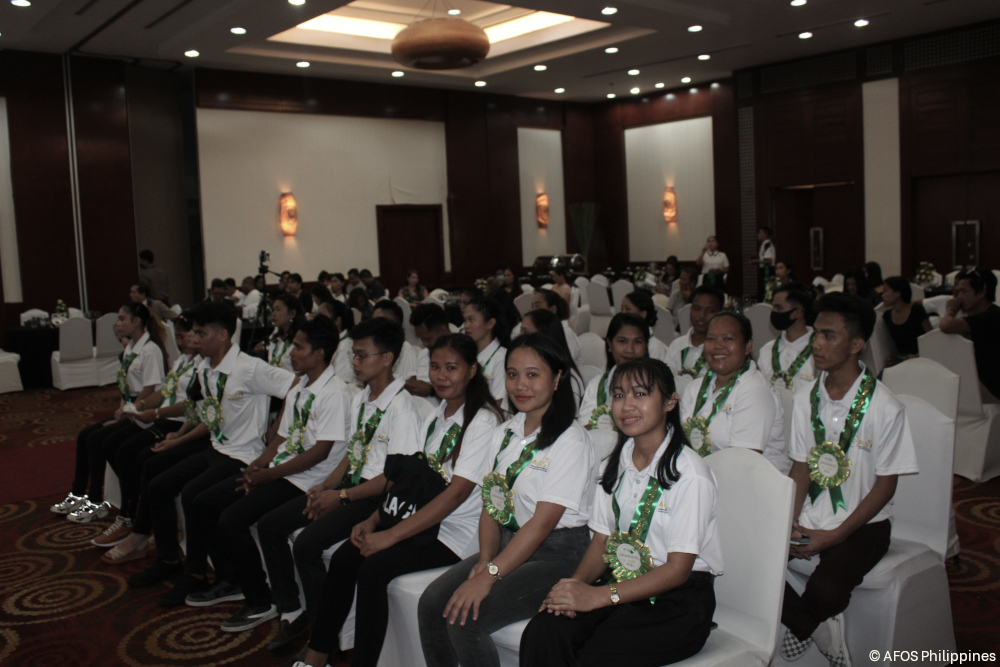
  • Twenty-six (26) graduates from the seafood processing cluster completed the dual education and training program on March 17, 2023, in Cebu City, Philippines
  • Twenty-four (24) of the graduates are certified by CCCI as Quality Inspectors and Seafood Production Workers.

The two job profiles under the Basic Qualification Certificate were designed and developed by industry and academic partners of CCCI–ACAS. Within the program, the graduates completed the required In-Company training of 912 hours and In-school training of 240 hours – a total of 1,152 training hours of the DET program.

Baseline Survey Describing the Status of Fisheries in FISH Visayas Project Sites

Recognizing the need for an in-depth understanding of the demographics, status quo, and demands of the project areas, the FISH Visayas Project conducts a baseline survey that seeks to examine the descriptive cross-sectional analyses of individual fishing households in terms of income, living standard, and fishing operations.

The data collected aims to support the project management to better design, align and implement its activities more systematically, toward achieving the targeted results of the project.

415 respondents from the fishing and fish farming households from the project’s nine partner Local Government Units (LGUs) were interviewed for the Baseline Survey. The survey implementation was conducted in the period of three weeks from March 13 to 31, 2023 at the respective barangays of 26 partner people’s organizations. The conduct of the baseline survey corresponds to the objectives and the four (4) key result areas of the FISH Visayas Project namely; Result Area 1 Training for fishermen and MSMEs, Result Area 2 Dual Training in Fisheries, Result Area 3 Market Access, and Result Area 4 Resource Protection.

AFOS Foundation Philippines signs MOA with Bohol Partners

The binding agreement between AFOS Foundation and its Bohol partners was executed on March 10, 2023 at the Belian Hotel, Tagbilaran City, Bohol.

The Memorandum of Agreement (MOA) provides the framework for collaboration between the partners, recognizing the need for multi-stakeholder partnerships to promote sustainable fisheries & related food value chains in Central Visayas through the FISH Visayas Project. Further, the agreement supports the improvement of the income situation of fisheries-dependent families and MSMEs along the fisheries and related value chains until June 2025.Further, the agreement supports the improvement of the income situation of fisheries-dependent families and MSMEs along the fisheries and related value chains until June 2025. Finally, the partners agreed to cooperate in mutual trust and to exchange information regularly about all major developments, successes and challenges in the FISH Visayas Project.

AFOS launches two new Dual Training Programmes in Software Development in Colombia

Training Programme for Technical Assistants in Software Programming

Together with local business enterprises and educational institutions, we promote the development of skills in the field of software development in Colombia. In Antioquia, 41 young people now already have the opportunity to participate in the new dual training programmes.

Colombia News

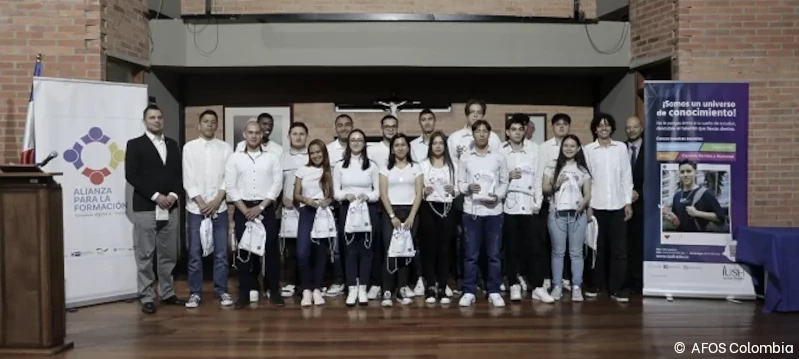
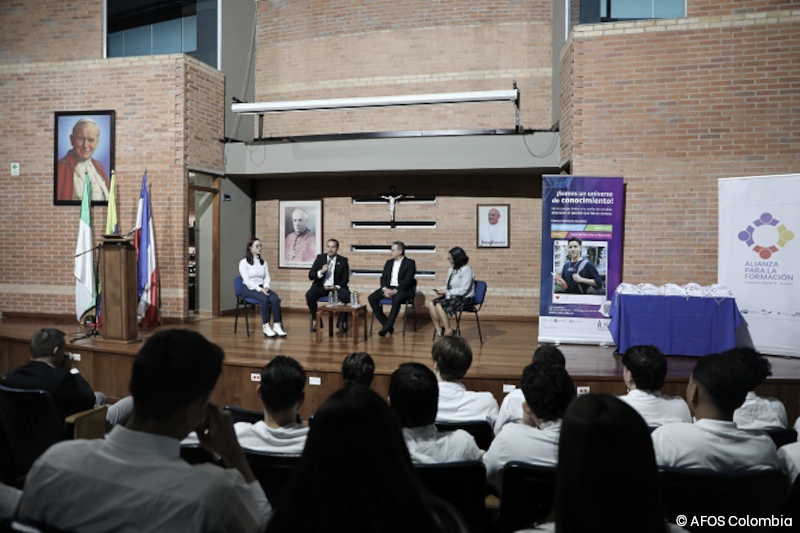
Together with our local partner organisation – the Institución Universitaria Salazar y Herrera (IUSH) – the official opening of the new training programme for “Technical Assistants in Software Programming” took place.

Future-oriented Companies promote our Programmes

Also present were the companies Softline, Softnet, Cobelén and Sistemas Sentry, which are now introducing the dual training model in their companies. With their commitment, these future-oriented successful companies promote the implementation of qualified and recognised training programmes in Colombia.

The first cohort of the programme consists of 17 young people who are now benefiting from the educational opportunities facilitated by AFOS. We, working on the ground as Alianza para la Formación, will continue to work to ensure that the association we initiate between the different actors generates more and more synergies and promotes better competitiveness in the sectors we prioritise.

The Globant Company and Cesde join Forces to train Software Development Assistants

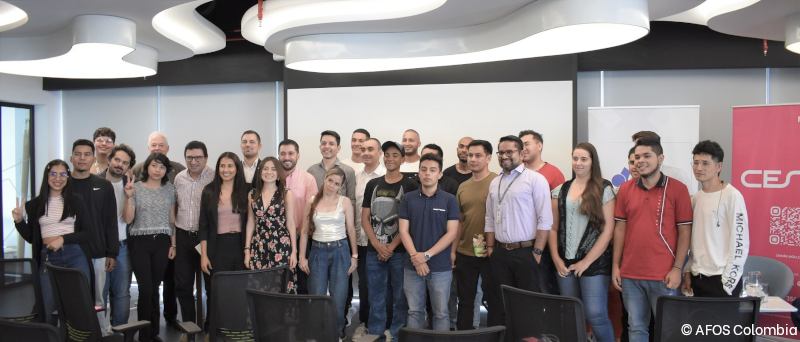
Together with our partner organisation, the educational institution Cesde, we were able to start another dual training programme for software development assistants. From now on, 24 young students will be trained here every year. The first-year trainees have the opportunity to gain practical experience at Globant, one of the most important software development and information technology companies in Latin America.

The Honorary Consul of the Federal Republic of Germany in Medellin, Alejandro Tieck, also took part in the opening event. This underlines the importance of strengthening bilateral relations between the two countries thanks to international cooperation projects such as our Alianza para la Formación.

In the future, we will continue to advocate for the improvement of the methodology of dual training and will again advocate for the linking of the productive sector with the academic offer of the educational institutions. In this way, we promote social development in the region and help to identify and make good use of synergies between the institutions involved.

Training with more than 15,000 smallholder farmers in Nigeria

By the end of 2023, we want to reach more than 60,000 smallholder farmers with AGRAR

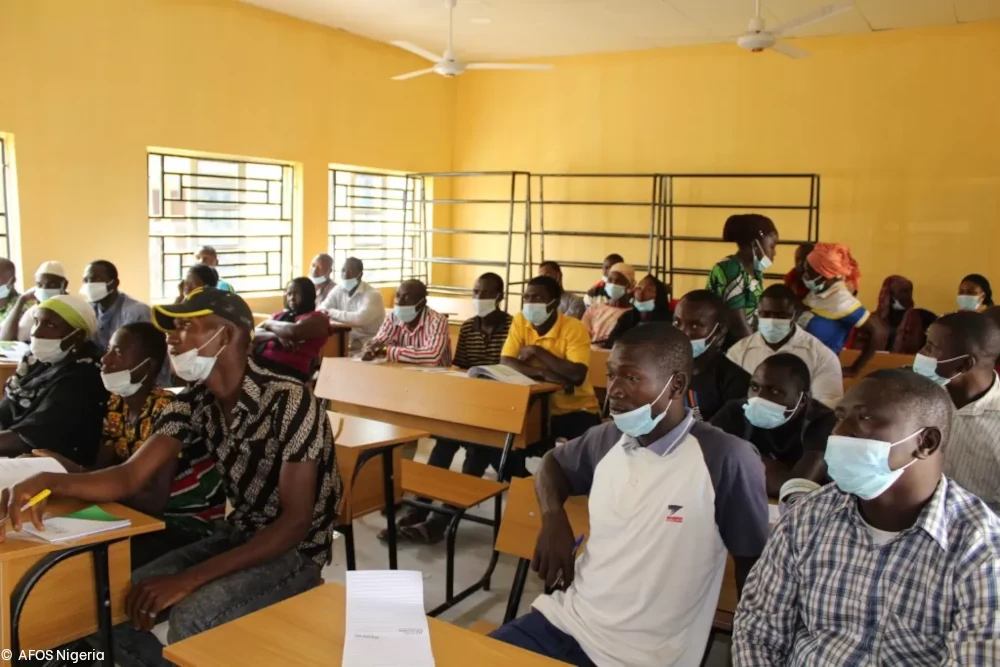
In 2022, we were able to train more than 15,000 smallholder farmers in Nigeria as part of our AGRAR project. In the first phase of the project, we already reached 30,000. By the end of 2023 , we want to have reached more than 60,000 smallholder farmers with our measures. At the same time, AFOS promotes the adaptation of certification to national and international standards.

AFOS Agricultural Training Nigeria

AFOS AGRAR project in Nigeria

AGRAR focuses on three key areas of development: (1) development of sustainable agricultural practices, (2) corporate governance related to agricultural production, and (3) effective cooperative formation. These measures lead to improved agricultural cultivation methods, as well as to the creation of rural wealth and positive synergies within the value chain.

Our program to improve the livelihoods of smallholder farmers is part of the planned measures of the AFOS INGO AGRAR Phase II project (March 2021 to December 2024). The aim is to build the capacity of smallholder farmers in Nigeria through a training programme on good agricultural practices and farm management . These are mainly the value chains of the production of cereals and pulses, poultry, aquaculture, cashews and cassava. The skills of smallholders are being expanded in order to achieve higher yields and thus higher incomes.

AFOS Nigeria signs AHK agreement for TVET courses

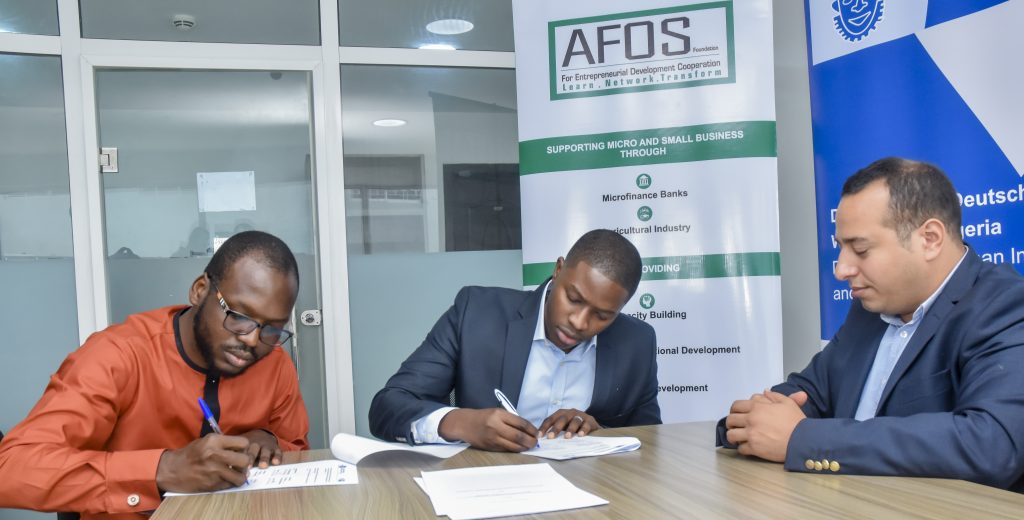
In order to achieve these goals, cooperation and cooperation with local stakeholders is essential. We are therefore very pleased that AFOS Nigeria concluded a cooperation agreement with the Delegation of German Industry and Commerce in Nigeria in December 2022. The aim of the cooperation is to adapt our educational offers – Technical Vocational Education and Training (TVET) and the work of an Agricultural Training Centre (ATC) initiated by AFOS – to national and international certification standards.

AFOS Nigeria signs AHK agreement

Trainees will receive certificates with global relevance in the future

Through this cooperation, the parties involved have the opportunity to actively exchange ideas and adapt their curricula accordingly. The development and implementation of joint processes for the adaptation of the AFOS TVET programme offering and the ATC are thus promoted and valuable learning processes at various levels are made possible. In the future, smallholder farmers in Nigeria will have the opportunity to acquire certificates with global relevance.

The AFOS Foundation works with national and international institutions to ensure the provision of the highest level of training as part of its AGRAR LL project in Nigeria.

1500 EU organic certifications issued in Zimbabwe

Our project Organics4Zim trained a total of 3,000 smallholder and wild plant collector families for EU certification of organic products in 2022 with the local partner Organic Farming Academy (OFA).

1,500 of the participants were already successfully certified by external inspectors from ECOCERT in November 2022 and can now export their products.

Meanwhile, interest has also been expressed from Zimbabwe’s neighbouring countries to participate in the project. In February 2023, for example, OFA will for the first time conduct a training course for employees of a private company in South Africa.

It is with great pleasure that we observe that ecological sustainability is gaining importance in more and more companies!

Bio-Zertifizierungen Simbabwe

With sustainable sectors on the way to dual vocational training

After a little more than half a year, our Colombia project is making good progress. The two focus sectors of digitalisation and tourism hold enormous potential for local companies and at the same time promise many qualified training positions for young Colombians. The interest in needs-oriented, practical vocational training is higher than ever before. And so, since the beginning of the year, there has been a lively exchange in various clusters and forums of IT and tourism on the topic of dual vocational training. Together with our main partner, the Medellín Chamber of Commerce (CCMA), our team in Colombia first surveyed the needs of the individual companies. An awareness-raising workshop at the end of March was intended to familiarise interested companies in both sectors and the educational institutions involved with the dual system, to standardise ideas and concepts for it and to develop an initial roadmap for the near future with our project partners CCMA and SENA. Our project team received support from the Head of the Sustainability & Education Department of the German Chamber of Foreign Trade (AHK) in Bogotá, who is also the Director of the Dual University of Latin America. During the visit of Ana Puyalto (Finance Manager AFOS) and Daniela Tscherpel (Project Manager Colombia & Mexico) from the Cologne head office, existing connections to the local partners and relevant German actors such as the German Embassy and the AHK could be strengthened. The course has been set for a successful project: The first train-the-trainer courses are to start this summer so that the first trainees can start their dual training in the very near future, too.

Official launch of the Centro-Bajío-Occidente Business Alliance for Dual Education

In presence of the representatives of the participating Mexican states, the German Embassy and the Mexican business association COPARMEX, a Memorandum of Understanding of the Business Alliance for Dual Education was signed on 25th November 2021. The aim of the alliance is to pave the way to a qualified dual vocational training for a significant number of students and companies in the 5 participating states of Quéretaro, Guanajuato, San Luis Potosí, Aguascalientes and Jalisco. The AFOS Foundation was represented at this important event by its Chairman of the Board, Mrs. Dr. Hildegard Stausberg. Dr. Stausberg emphasised to the audience the great potential of the alliance for society but also for strengthening the economic region of Centro-Bajío-Occidente.

Kick-off in Ghana: Extracurricular Training in Data Science and Business Intelligence

At the University of Cape Coast, Ghana, the first module of the 20-week extracurricular training programme in Data Science and Business Intelligence started in July. The programme extends over two semesters and includes practical phases in companies in addition to the technical school training.

The DigiCAP training programme combines classroom phases in the FlexLab on campus and components of virtual learning. The training is explicitly practice-relevant and company-oriented. The learning is designed in a hybrid way and students can either participate directly in the teaching process in weekly classroom sessions or take part online via live streaming. The learning units are also recorded and are available to students at any time.

The trainings require a commitment of 12 hours per week from the participants. This includes interaction with the teachers in the FlexLab and on campus and self-study units.

To ensure compatibility with regular studies, the learning units take place at weekends and during lecture-free periods.

Press conference in Mexico: Signing of an agreement with the chambers of industry

In order for companies to improve their competitiveness and young people to find jobs that are fit for the future, the Confederation of Chambers of Industry of Jalisco (CCIJ) signed an agreement with the AFOS Foundation to promote dual training.

“This will benefit 960 companies in the Centro-Bajío-West region, working with Aguascalientes, Guanajuato and Querétaro through Coparmex in addition to Jalisco,” explained Enrique Rubio León, coordinator of the project in Jalisco.

The goals for Jalisco are to reach 192 companies that have jobs in dual programmes and 240 students who will participate in the project over the 3-year period.

In addition, a business association of dual education is to be established in Jalisco by the government, the academic sector and the business community. The dual education model creates benefits for students as well as for universities, companies and the state in general.

Gustavo Padilla Montes, Rector of the University Centre for Economic Management Sciences (Cucea) of the UdeG, explained that this is an ambitious plan for the country, which also reflects the commitment of the industrial sector of Jalisco, which is concerned about the social situation and economic growth. He stressed that the pandemic had brought with it the combination of face-to-face and virtual learning, and that the hybrid model had now finally arrived in everyday training.

AFOS focuses on business continuity and microinsurance in Nigeria

With the support of the BMZ through a new COVID-19 funding increase, we are now addressing the issues of business continuity and primary health care through microinsurance with our engagement in Nigeria.

Our aim here is to address business continuity issues for microfinance banks. We support micro-entrepreneurs in the informal sector who are exposed to health risks and urgently need health insurance and other basic insurance products, such as risk insurance for smallholder farmers.

The programme is part of a microfinance bank leadership training programme that involved 214 microfinance banks and a total of 348 participants. The programme consisted of two parts with four-day face-to-face trainings in Lagos, Ibadan, Owerri, Calabar and the Federal Capital Territory.

Promote Us!